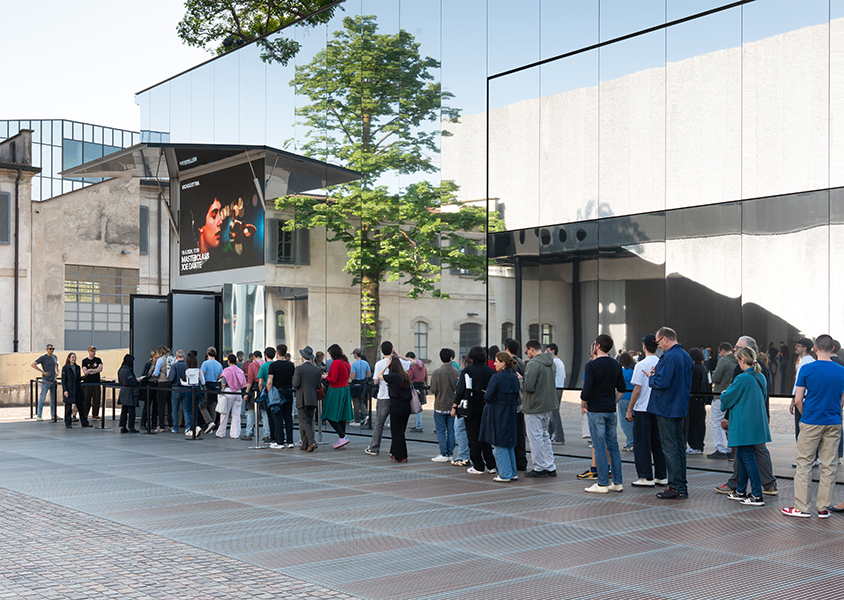
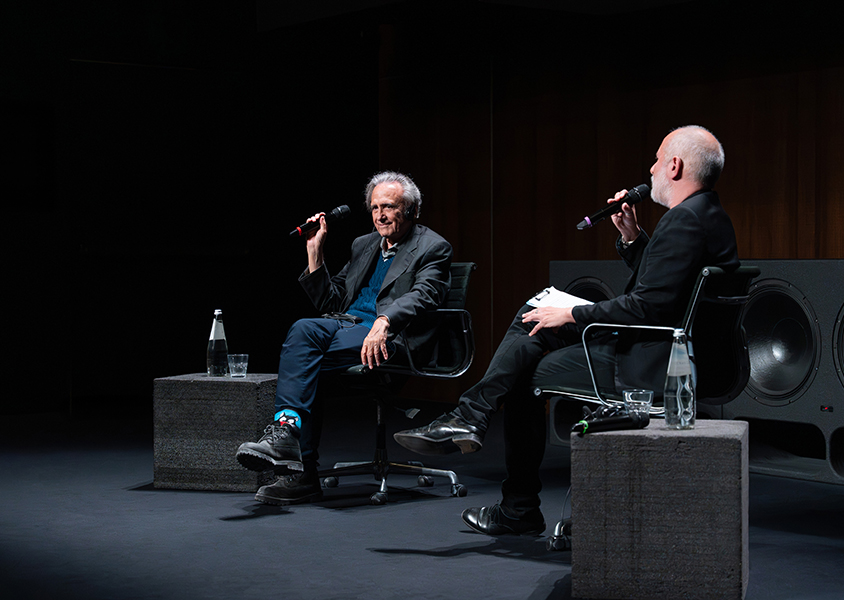
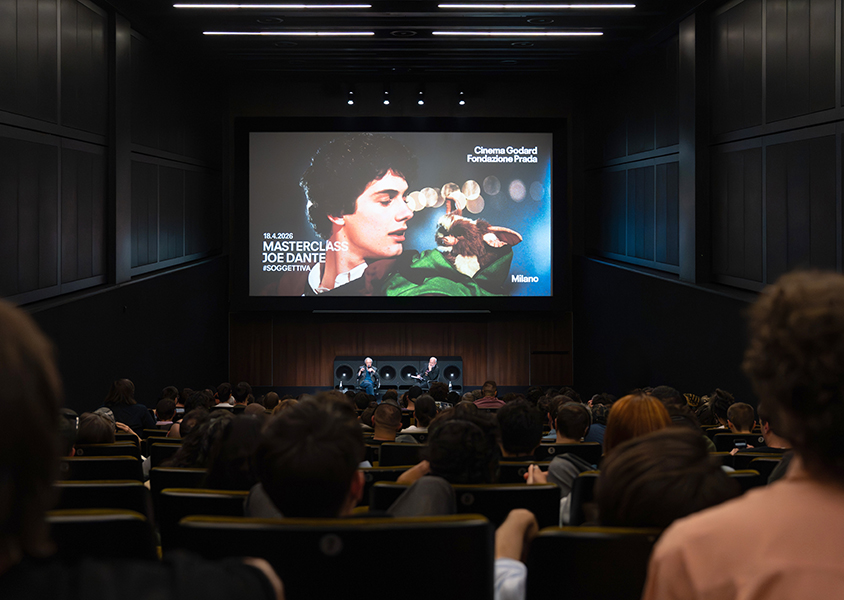
In April, #Soggettiva explores the work of Joe Dante, a master of American independent cinema who has observed American society with a sharp and irreverent eye, blending the conventions of fairy tale and horror with those of adventure and fantasy cinema.
On Saturday, 18 April, the filmmaker leads a masterclass moderated by Manlio Gomarasca, editor-in-chief of Nocturno magazine. The talk is in collaboration with the Cinémathèque Suisse, ECAL, and Filmpodium.
BIOGRAPHY
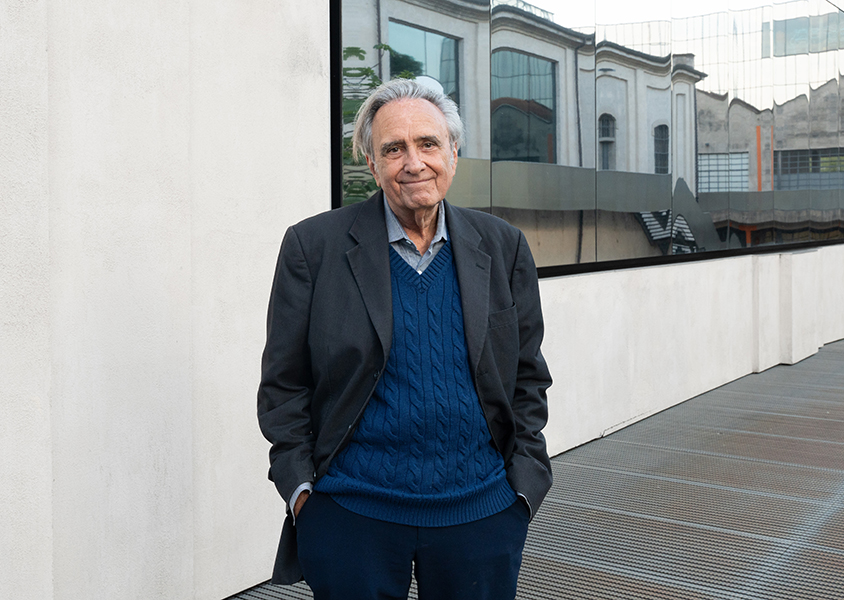
A key figure in American independent cinema, Joe Dante was born in 1946 in Morristown. A filmmaker whose work blends the codes of fairy tale, horror, and fantasy, Dante studied at the Philadelphia College of Art before joining New World Pictures, the legendary production company founded by Roger Corman that launched a new generation of filmmakers (including Martin Scorsese, Jonathan Demme, and Ron Howard). He made his directorial debut alongside Allan Arkush with Hollywood Boulevard (1976), but established his distinctive style with Piranha (1978), an irreverent film made in the wake of the success of Steven Spielberg’s Jaws (1975). In 1981 he directed The Howling, a cult film on the werewolf myth, renowned for its innovative special effects. In 1984, Spielberg invited him to take part in Twilight Zone: The Movie, a reinterpretation of the famous television series, and chose him to direct Gremlins (1984), which achieved extraordinary box office success and marked the peak of his career. In the following years, he continued to explore fantasy and science fiction cinema with films such as Explorers (1985), Innerspace (1987), and The ’Burbs (1989). In 1990 he directed the sequel Gremlins 2: The New Batch. Gradually marginalized in Hollywood, Dante has maintained throughout his career an ironic perspective and an openly critical stance toward American society, evident in films such as Small Soldiers (1998) and in animated works like Looney Tunes: Back in Action (2003). In 1998, the Locarno Film Festival awarded him the prestigious Pardo d’Onore.