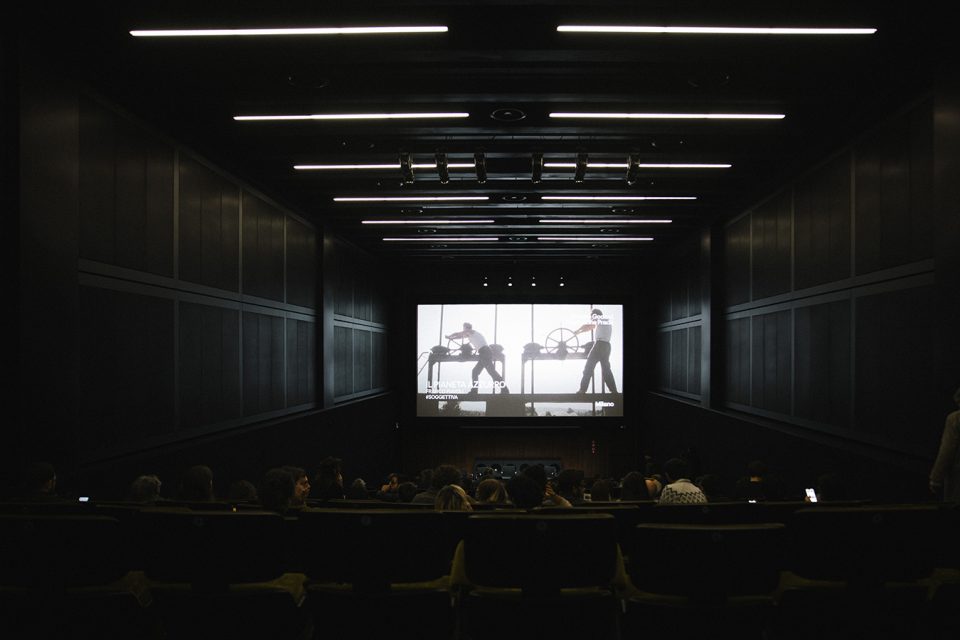
Following the recent restoration of The Blue Planet (1982), carried out by Cineteca di Milano, #Soggettiva retraces the unrestrained and visionary filmography of Franco Piavoli.
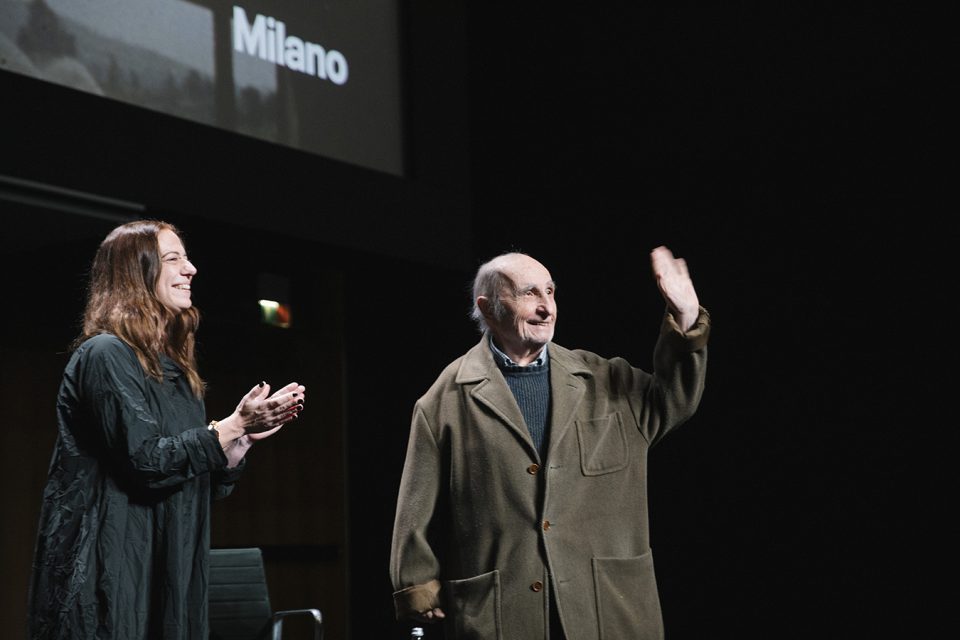
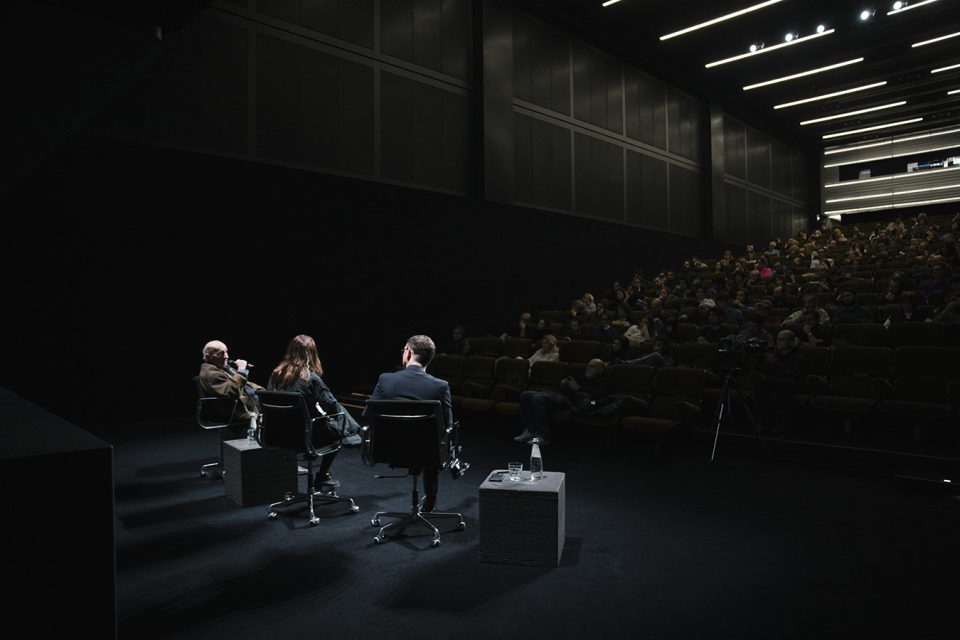
On Saturday, 13 December, following the screening of The Blue Planet, the director took part in a conversation with programmer Cecilia Ermini and Paolo Moretti.
The Blue Planet
Original title: Il pianeta azzurro
1982, 88’
Director: Franco Piavoli
Country: Italy
Distributor: Cineteca di Milano / Luce – Cinecittà
Language: Italian version
Set in the Lombard countryside, The Blue Planet looks at the world as if it were coming into being before its very eyes. Landscapes, faces, small gestures, animals, and natural elements form a continuous fabric in which light, water, wind, and vegetation mark the passage of time. Through a visual and sonic construction of extraordinary precision, the film brings together the flow of a day from morning to night, the cycle of the seasons, and a dizzying perception of the history of the universe, setting the smallest detail in resonance with the cosmic dimension.
Presented at the Venice Film Festival in 1982, Franco Piavoli’s first feature remains one of the freest and most visionary acts in contemporary cinema. The director shapes a poetic and contemplative form that observes rural life and the metamorphoses of the landscape with the attention of a scientist and the sensitivity of a poet. Editing, duration, and sound become tools for listening to the deep rhythms of all living things, turning the film into a sensory and meditative experience in which the Earth itself seems to breathe on screen. “The film is truly a poem, a concert, a journey through the universe, through nature, through life… A vision radically different from anything we have ever seen” (Andrei Tarkovsky).
BIOGRAPHY
Franco Piavoli was born in Pozzolengo in 1933. After graduating in Law from the University of Pavia, he taught law while cultivating his passion for photography and painting. In the 1960s he turned to experimental cinema with a series of short films that won awards at the Montecatini Film Festival (Le stagioni, 1961; Domenica sera, 1962; Emigranti, 1963; Evasi, 1964). In 1982 he made his first feature film, The Blue Planet, presented at the Venice Film Festival, which earned him both the BCV Prize and the UNESCO Award. Between the 1980s and 1990s Piavoli brought his sensibility into the world of opera, directing Puccini’s Suor Angelica at the Maggio Musicale Fiorentino in 1984, Verdi’s La forza del destino in 1985, and Bellini’s Norma at the Teatro Grande in Brescia in 1990. In 1989 he made Nostos: The Return, his personal reinterpretation of the myth of Ulysses, presented at the Locarno Film Festival. In 1996 Voices Through Time won the FEDIC Award at the Venice Film Festival. In 2002 he directed At the First Breath of Wind, which competed at the Locarno Film Festival and at the Sundance Film Festival. In 2004 he was awarded the Vittorio De Sica Prize at the Quirinale. In 2010 he received the medal of the President of the Italian Republic as part of the Solinas Prize. In 2016 the Cinéma du Réel festival in Paris dedicated a complete retrospective to him at the Centre Pompidou. In 2021 he received the Rosa d’oro, the Milanesiana’s cinema award. In 2025, Cineteca di Milano completed the restoration of The Blue Planet.
Video and photo may be taken during the event. By purchasing a ticket, attendees agree to the recording and use the use of images on Fondazione Prada’s digital profiles.